
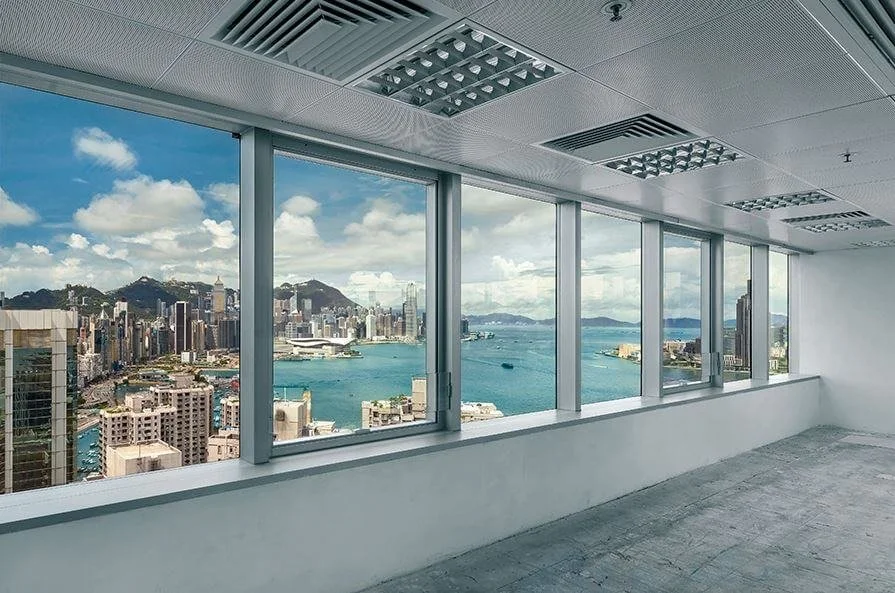
The modern business landscape has undergone significant transformations in recent years, and one area that has seen remarkable evolution is the concept of office for rent. Renting office spaces has shifted from a traditional necessity to a strategic decision that can influence a company’s efficiency, culture, and overall growth office for rent hong kong. Businesses, whether startups or established enterprises, are now increasingly exploring flexible and well-located office rentals to optimize operations and maximize opportunities.
One of the main advantages of opting for an office for rent is flexibility. Unlike owning a property, renting allows companies to adapt quickly to changes in workforce size, market conditions, and operational requirements. Startups and small businesses, in particular, benefit from this flexibility as it enables them to scale up or down without the constraints of long-term property commitments. In fast-moving industries, having the ability to relocate or adjust office space is a critical factor for sustainable growth.
Location plays a vital role in choosing an office for rent. Businesses are increasingly prioritizing accessibility, proximity to clients, suppliers, and talent pools when selecting a workspace. A strategically positioned office can enhance a company’s visibility and reputation, while also improving employee satisfaction due to convenient commuting options. Urban centers and business districts often attract organizations seeking high-profile locations, whereas suburban areas may appeal to companies looking for cost-effective solutions with ample space.
The cost-effectiveness of renting office space is another significant factor. Renting typically requires lower upfront investment compared to purchasing a property, which frees up capital for other business activities, such as marketing, technology upgrades, or talent acquisition. Furthermore, rental agreements often include maintenance and utility services, reducing operational burdens on the company. This cost efficiency makes office rentals particularly attractive to emerging businesses that need to manage budgets carefully while maintaining professional work environments.
Technological integration is increasingly influencing the appeal of office for rent. Modern office spaces are designed with high-speed internet, cloud-based systems, and smart infrastructure to meet the needs of today’s digital workforce. Companies seeking office rentals can choose spaces equipped with advanced communication tools, collaborative workstations, and security systems, which enhances productivity and supports seamless operations. Access to such facilities allows organizations to focus on their core business activities without worrying about technological limitations.
Flexibility extends beyond space size to include lease duration and office configuration. Many providers of office for rent now offer short-term leases, co-working spaces, and modular setups that can be customized to fit a business’s specific needs. These options allow organizations to create an office environment that fosters collaboration, creativity, and efficiency. Customizable office layouts contribute to employee well-being and engagement, which, in turn, impacts overall productivity and retention.
Sustainability has emerged as an important consideration in the rental office market. Companies are increasingly conscious of environmental impacts, and eco-friendly office designs, energy-efficient lighting, and green building certifications are becoming key differentiators. Choosing an office for rent in a building with sustainable features demonstrates corporate responsibility and can enhance a company’s brand image in the eyes of clients, partners, and employees.
Networking and collaboration opportunities also influence office rental decisions. Shared office spaces and co-working environments foster interactions among professionals from diverse industries, creating potential partnerships, mentorship opportunities, and client leads. Companies renting such spaces gain access to a dynamic community that can provide both inspiration and practical business advantages. This trend highlights how office rentals can offer more than just physical space—they can act as a catalyst for innovation and business growth.
The design and aesthetics of rented office spaces are increasingly significant. Modern businesses recognize that office design impacts employee morale, creativity, and productivity. Open-plan layouts, natural lighting, ergonomic furniture, and communal areas are highly valued by employees and help attract top talent. Landlords offering office for rent that incorporate contemporary design principles often see higher occupancy rates as businesses seek environments that enhance both employee experience and client impressions.
Legal and contractual considerations also play a role in the decision-making process. Companies seeking office rentals must carefully review lease agreements, including terms on maintenance, rent escalation, termination clauses, and additional services. Understanding the contractual obligations ensures transparency and prevents future disputes, allowing businesses to focus on operations rather than administrative challenges. Real estate advisors often assist in identifying suitable office spaces and negotiating terms that align with organizational goals.
Financial planning benefits from renting office spaces due to predictable monthly expenses. Unlike property ownership, where unexpected repairs or property taxes may arise, rental agreements often provide clarity and consistency in budgeting. Companies can forecast expenses accurately, allocate resources effectively, and maintain financial stability. This predictability is particularly valuable for startups and SMEs seeking to balance growth with prudent fiscal management.
The impact of office location on employee productivity cannot be overstated. Commuting times, nearby amenities, and accessibility to public transportation influence attendance, punctuality, and work-life balance. Renting office space in a well-connected area supports a happier, more efficient workforce. Companies that invest in strategically located offices often experience lower turnover rates and higher overall satisfaction among employees, which translates into improved performance and business results.
Digital transformation has introduced hybrid work models, further shaping the demand for office for rent. Companies are exploring flexible arrangements that allow a combination of remote work and physical office presence. Renting office space that accommodates hot-desking, collaborative zones, and meeting rooms enables organizations to implement hybrid strategies effectively. This approach enhances agility, reduces unnecessary overhead costs, and ensures employees have access to resources when they are most needed.
Market trends indicate that demand for flexible and well-designed office rentals is expected to grow steadily. As more companies prioritize employee experience, sustainability, and technological readiness, landlords and real estate providers are adapting by offering innovative solutions tailored to modern business requirements. The evolution of office rentals reflects broader changes in the way organizations approach work, collaboration, and strategic planning.